
Sikh Bridal Makeup Guide for Punjab Brides
A guide to bridal makeup for Sikh wedding ceremonies — from the Anand Karaj to the reception. How to plan your look across multiple functions while honoring tradition.
By Shivani
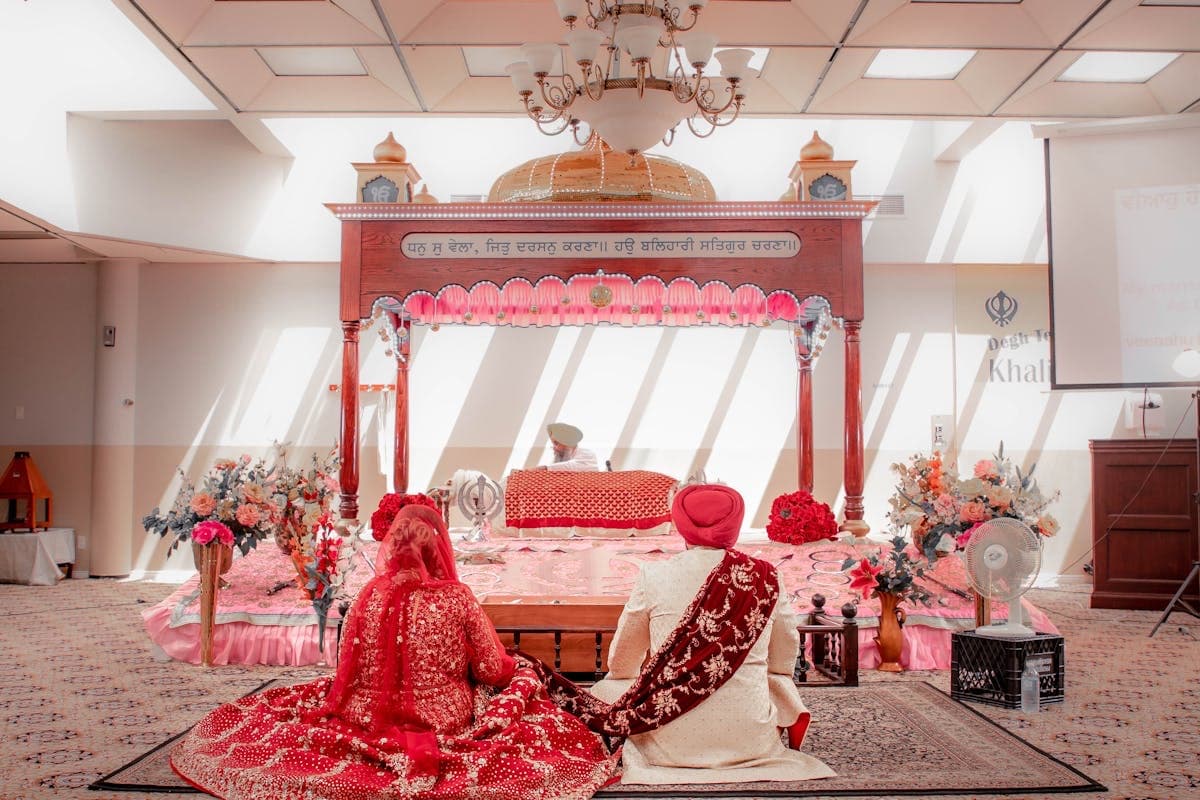
Sikh weddings are some of the most vibrant, emotionally charged celebrations I have the privilege of being part of. The scale, the energy, the colours, the music — everything is larger than life. And the bride's look needs to hold its own through all of it.
I have done makeup for Sikh brides across Chandigarh, Mohali, Panchkula, and venues throughout Punjab. Every wedding has its own personality, but there are patterns and principles that apply across the board. This guide covers what I have learned about planning bridal makeup for Sikh weddings — from the intimate churra ceremony to the grand reception.
What Makes Sikh Bridal Makeup Different?
The biggest difference is the sheer number of functions. According to the Punjab Heritage Foundation, the average Sikh wedding in Punjab spans three to five days of celebrations, each with distinct cultural significance. That means three to five distinct looks, three to five days of skin prep and removal, and a makeup plan that accounts for all of it.
Here is a typical timeline for a Sikh wedding:
Mehendi and ladies sangeet: Usually an afternoon or evening event a day or two before the wedding. Colourful, festive, relaxed. The bride often wears a bright sharara or lehenga in greens, yellows, or pinks.
Churra ceremony: A morning event on the wedding day itself, where the maternal uncles present the bride with red and white bangles. This is an intimate, emotional function. The bride may not be in her full bridal outfit yet.
Anand Karaj: The main ceremony, held at a gurudwara. This is the most sacred part of the wedding. The bride wears her primary bridal outfit — traditionally red and gold — and the mood is solemn and graceful.
Reception: An evening or night event, either the same day or the next. This is the celebration — grand, glamorous, and often at a banquet hall or resort.
Each of these events has a different mood, different lighting, a different outfit, and calls for a different approach to makeup. What works at the gurudwara is not the same as what works at the reception. A makeup artist who does not understand these distinctions is going to give you a one-size-fits-all look, and that never serves the bride well.
The other major factor is the dupatta. In Sikh bridal dressing, the dupatta covers the head during the Anand Karaj and often during the reception as well. This means the hairstyle needs to anchor the dupatta securely while still looking polished. It also means the face is framed by fabric, which changes how the makeup reads. Heavier contouring might be unnecessary when the dupatta naturally creates shadow and framing.
How Should Your Makeup Look for the Anand Karaj?
The Anand Karaj is a spiritual ceremony. It takes place in a gurudwara, usually in the morning or early afternoon. The lighting is typically natural or fluorescent — not the warm, flattering spotlights of a banquet hall. The mood is reverent. Guests are seated on the floor, and the bride sits with her head covered, listening to kirtan and taking the laavan.
For this ceremony, the makeup should be radiant but restrained. The goal is clear, glowing skin, softly defined eyes, and a natural lip. Not heavy. Not dramatic. The bride should look like the best version of herself, not a dramatically transformed version.
Here is how I approach the Anand Karaj look:
Base: Flawless but skin-like. I build coverage only where it is needed — evening out the skin tone, concealing any dark circles or blemishes — rather than applying heavy full-coverage foundation all over. In gurudwara lighting, thick base makeup can look obvious and cakey. I want the skin to look luminous and healthy, not made-up.
Eyes: Defined but not dramatic. A warm crease shade, a touch of shimmer on the lid that catches light when the bride looks down (which happens a lot during the ceremony), and well-groomed brows. Eyeliner is kept precise but not heavy. The eyes need to be expressive because so much of the ceremony involves the bride's gaze and expression. Overly smoky or dark eyes can actually work against this — they create shadow around the eyes rather than letting them speak.
Lips: A soft, natural tone that complements the bridal outfit. With a red lehenga, I lean towards nude pink or soft rose. A classic red lip works if the bride wants it, but I find that for the gurudwara ceremony specifically, a subtler tone lets the overall look stay balanced. The lehenga and jewellery are already making a strong statement.
Cheeks: A warm blush that gives a natural flush. Cream blush works beautifully here because it blends into the skin rather than sitting on top of it. It gives a glow from within rather than an obvious stripe of colour.
Hair: This needs to work with the dupatta. I typically create a low bun or a braided updo that sits comfortably beneath the dupatta. The hair needs to hold the dupatta's weight without pulling or slipping. I use pins strategically so the dupatta stays in place throughout the ceremony without the bride needing to adjust it constantly. Nothing distracts more than a bride constantly fixing her dupatta during the pheras.
What About Sangeet and Cocktail Night Looks?
The sangeet is where you let loose. This is the party — the dancing, the performances, the energy. The makeup should match that energy.
For the sangeet, I push the look towards glamour. Smoky eyes, statement lips, defined contouring, shimmer highlighter. This is the function where bold choices work because the setting supports them. The lighting is usually dramatic — coloured lights, spotlights, DJ effects — and a subtle daytime look would get completely lost.
Here is what I typically recommend for the sangeet:
Eyes: This is where smoky eyes shine. A deep brown or plum smoky eye with a shimmer lid looks stunning under sangeet lighting. If the bride is wearing a jewel-toned outfit — emerald, royal blue, deep maroon — I might pick up a complementary shade in the eye look. Glitter or metallic eyeshadow works here if the bride is comfortable with it. False lashes add drama without going overboard.
Lips: A bold lip for the sangeet is almost always the right call. A deep berry, a vibrant pink, or a classic red — whatever suits the outfit and the bride's undertone. Since the sangeet usually involves eating, drinking, and talking, I use a liquid lipstick that sets matte and does not transfer easily.
Contour and highlight: More defined than the ceremony look. The sangeet is about dimension and drama. Strong cheekbone contour, a highlighted bridge of the nose, and a touch of shimmer on the collarbones create a polished, camera-ready look.
Hair: More freedom here since the dupatta is optional at the sangeet. Open hair with soft waves, a high ponytail with volume, or a textured bun with face-framing pieces — the choice depends on the outfit and the bride's comfort. If she is going to be dancing, I make sure the hairstyle is secure enough to last through movement.
How Do You Handle Multiple Functions Without Exhausting Your Skin?
This is something brides do not think about until they are living it. After three days of heavy makeup application and removal, the skin can get tired. Dryness, breakouts, sensitivity — these are all real risks when you are layering products day after day.
Here is how I help brides manage it:
Plan the heaviest makeup for the main events. The Anand Karaj and reception get the full treatment. The mehendi and haldi can be lighter — a tinted moisturiser, cream blush, tinted lip balm, and well-groomed brows. You will still look beautiful in photos, and your skin gets a break.
Removal matters as much as application. I always brief my brides on proper removal. Double cleansing is essential — an oil-based cleanser first to break down the makeup, then a gentle water-based cleanser to clear the residue. Makeup wipes alone are not enough. They push product around more than they remove it, and they can irritate skin that is already dealing with repeated makeup application.
Overnight recovery between events. After removing makeup, apply a heavy-duty moisturiser or a hydrating sleeping mask. Hyaluronic acid serums work well because they pull moisture into the skin without clogging pores. If the skin feels tight or irritated, skip any active ingredients like retinol or acids — just hydrate.
Morning prep before makeup. On each wedding day morning, gentle exfoliation (a soft washcloth is enough), a hydrating serum, and a lightweight moisturiser. Give the moisturiser fifteen to twenty minutes to absorb before I start applying makeup. Rushing this step is a mistake I see often — the moisturiser needs to sink in fully, or the foundation will slide.
Ice before application. A simple trick that works: rubbing an ice cube gently across the face before primer tightens the pores and reduces puffiness. It takes thirty seconds and makes a noticeable difference in how the base sits, especially if the bride had a late night before (which is almost guaranteed during a multi-day wedding).
What Products Work Best for Traditional Red and Gold Bridal Outfits?
The classic Sikh bridal look is red and gold, and the makeup needs to complement this palette without competing with it.
Eyeshadows: Warm tones are the safe choice and for good reason. Golds, coppers, warm browns, and soft burgundies all harmonise with red outfits. A gold shimmer on the lid picks up the gold zari or sequin work in the lehenga and creates visual continuity between the outfit and the face. Cool-toned shadows — silvers, icy pinks, cool mauves — can look disconnected against a warm red and gold outfit.
Lips: This is where brides often get confused. With a red outfit, should you wear red lipstick? The answer is yes, but the right red. The lip colour should complement the outfit's specific shade of red, not clash with it. An orange-red outfit needs a warmer lip. A blue-red lehenga suits a cooler, deeper red or a berry tone. If the bride prefers something less intense, a nude pink that leans warm works beautifully and lets the outfit be the star.
Blush: Peach and warm pink blushes work best. Avoid anything too cool or too bright — a fuchsia blush against a warm red outfit creates a visual clash. The blush should look like a natural flush, not a colour statement.
Highlight: Gold-toned highlighter rather than silver or icy. It should catch the light subtly and echo the gold in the jewellery and outfit. I apply it on the cheekbones, the bridge of the nose, and a touch on the cupid's bow.
Jewellery coordination: Heavy Kundan or polki sets with a red outfit are traditional for Sikh brides. When the jewellery is heavy and detailed, the eye makeup should not fight for attention. I keep the eyeshadow complementary and let the jewellery do the talking. If the necklace has coloured stones — emerald, ruby, uncut diamonds — I might subtly echo those tones in the eye look to create cohesion.
How to Choose Between a Natural and Glam Bridal Look
This comes down to three things: the venue, family expectations, and personal style. And I always tell brides that the trial session is where this question gets resolved properly.
Venue matters. A gurudwara ceremony calls for understated elegance. The space itself is simple and spiritual, and overtly glamorous makeup can feel out of place. A five-star hotel reception, on the other hand, is designed for drama — the lighting, the decor, the scale all support a more glamorous look. I have done weddings where the ceremony was in a small, intimate gurudwara in Sector 34 and the reception was at a resort in Kasauli. The two looks were completely different, and they should be.
Family expectations. This is a real factor in Punjabi families. Some families expect a traditional, heavily done-up bride. Others are more relaxed. I have worked with brides who wanted a barely-there natural look but whose mothers expected classic red lips and heavy eyes. The trial is a good place to navigate this — I invite the mother or a close family member to join, and we find a balance that makes everyone happy. Usually the compromise is somewhere between the two extremes and looks better than either would have alone.
Personal style. Some brides wear makeup every day and feel comfortable in a full glam look. Others rarely wear anything beyond moisturiser and feel awkward with heavy contouring and dramatic lashes. Your wedding look should feel like you — a more polished, more beautiful version of you, but still recognisably you. When brides look in the mirror and feel like a stranger, no amount of professional technique makes up for that discomfort. It shows in photos.
I encourage every bride to come to the trial with an open mind. Show me your inspiration photos, tell me what you like and what scares you, and let us find the look together. More often than not, the final look is not what the bride initially imagined — it is something better, something specifically designed for her face, her skin, her outfit, and her celebrations.
If you are planning a Sikh wedding and looking for a bridal makeup artist in Chandigarh, I would love to be part of your celebration. I also work extensively in Mohali and across the Tricity area.
Planning a multi-day wedding? Get in touch to discuss a complete makeup package that covers all your functions.